AI Agents
What AI agents actually do in production, where they break, and what a small business should pilot first.
Where artificial intelligence meets human judgment.
Researching the intersection of emerging technologies, biodefense, and the critical thinking skills that keep humans in control. Equipped with VR/XR immersive technology for simulation, training, and experiential learning.
The working products built inside the Emerging Technologies Laboratory. Each is live, and each is staffed by its own team of AI agents.
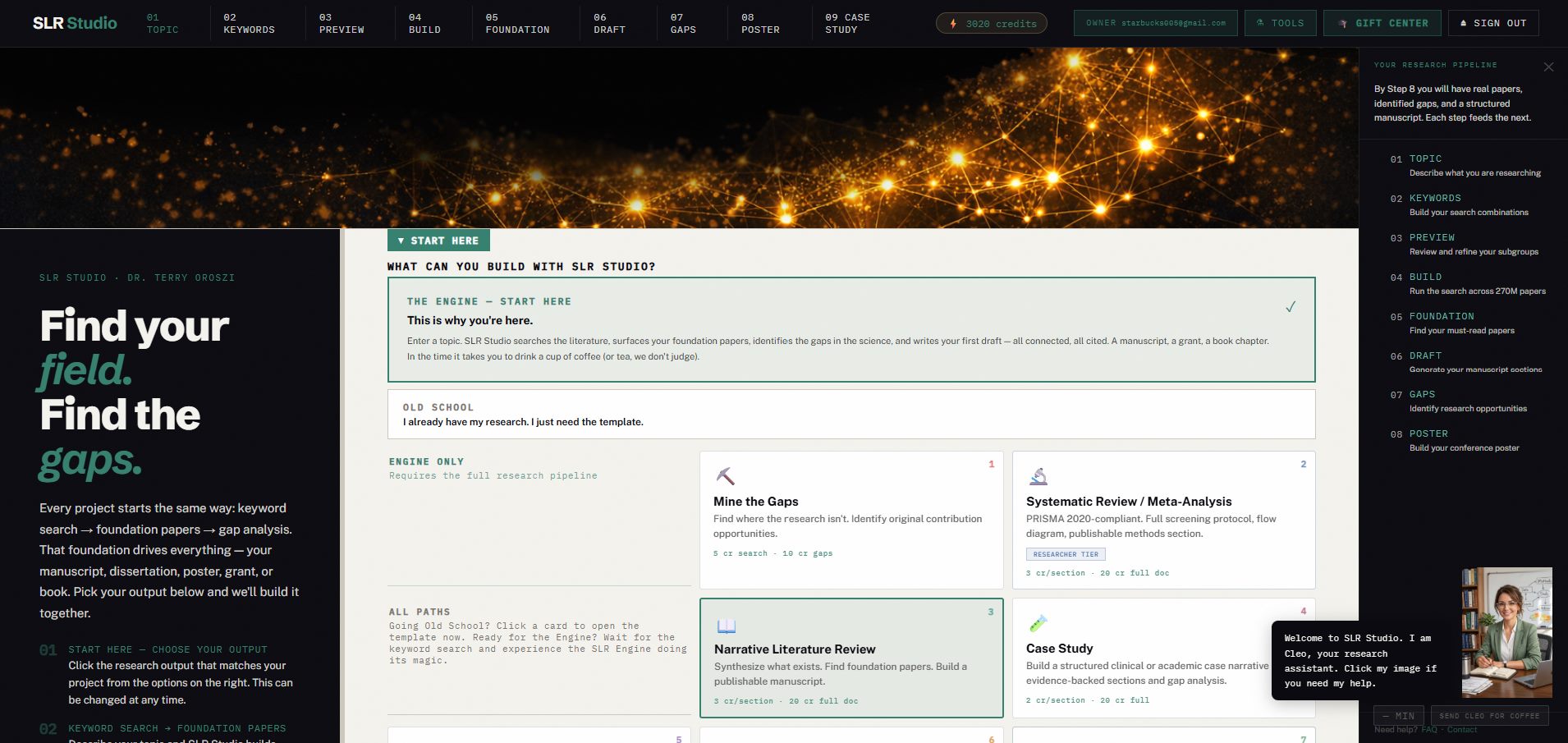
No grant funds, no problem. SLR Studio runs Dr. Oroszi's proprietary research pipeline. Six output modes, ten research tools, MCP-connected literature search across PubMed and the trial registry. Keeps your grad students productive, your research agenda alive, and your manuscripts moving. Hours instead of months. You will not find this stack elsewhere.
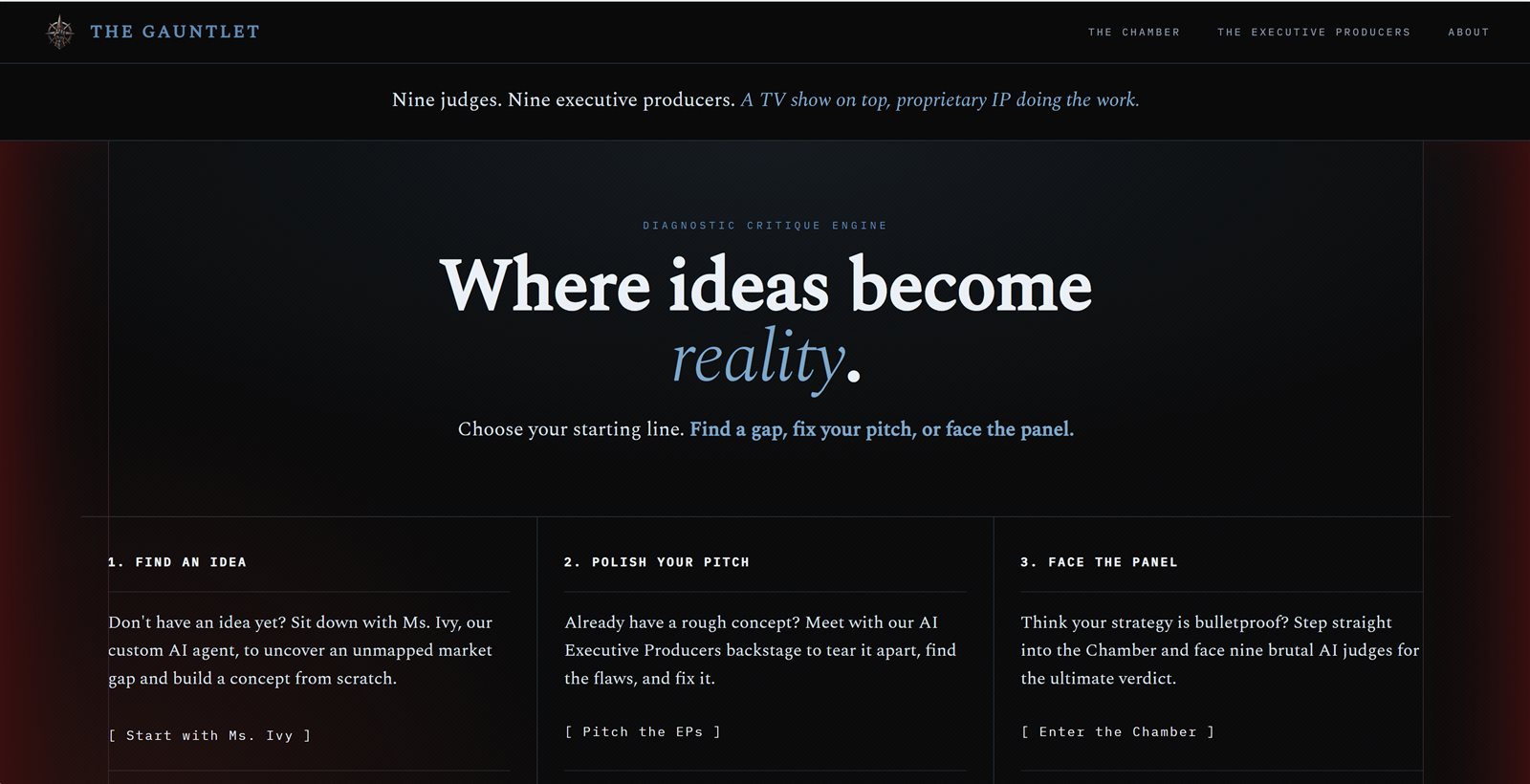
No idea, no problem, we have the answer for that too. From blank page to actionable verdict. Helper cast on the way in. Nine AI judges in the chamber. Next steps on the way out.
We take you from “I think I want to write a book” to “I wrote a book.” A full editorial team holds your hand through the whole process. And a lot more.
The gaps are where the interesting stuff happens. Intel Dashboard runs Dr. Oroszi's proprietary signal-gap engine, MCP-connected to live media, research, and emerging-tech feeds. Branded deliverables ready to send to your superiors. One live view. Built in-house, used in-house, not available elsewhere.
The characters become your best friends. You come back to find out if Henry's grandchild is a boy or girl, to check on MJ's grandfather, for the weekly Daily Dose, and for the puzzles. The Stoplight runs Dr. Oroszi's proprietary multi-source MCP engine: PubMed, FDA, the trial registry, and the NIH supplement database, classified per claim and verified live. Three-minute meditation when the day gets loud. Educational only, never medical. No other consumer health site is built this way. It's all here for you.
Practice the hard parts of school and the job hunt against an AI panel. Defend your thesis or dissertation against a committee of nine, sit a mock interview with a panel of business leaders, get a real CV review from Charles Monroe, and walk out with a readiness card that names what to shore up. Teaching tone — the panel pushes back, but it also teaches.
Enter the Prep Room →Same engine, executive register. Sit a mock interview for a real role you are aiming at, get a CV review that holds your background to the right sector's standards (corporate, academic, nonprofit, government), and walk out with a fix list. Peer to peer. No hand-holding. The kind of practice you wish someone had given you before the last hard interview.
Enter the Boardroom →Draft the email reply you have been putting off, or the letter of recommendation a former student needs by Friday. Paste the inbound message or fill the intake, load a sample to see the form working, and edit the output in your own voice. Nothing stored. Files parsed in your browser. Letters of rec come next with the full intake: tier, percentile, anecdotes, FERPA-aware framing.
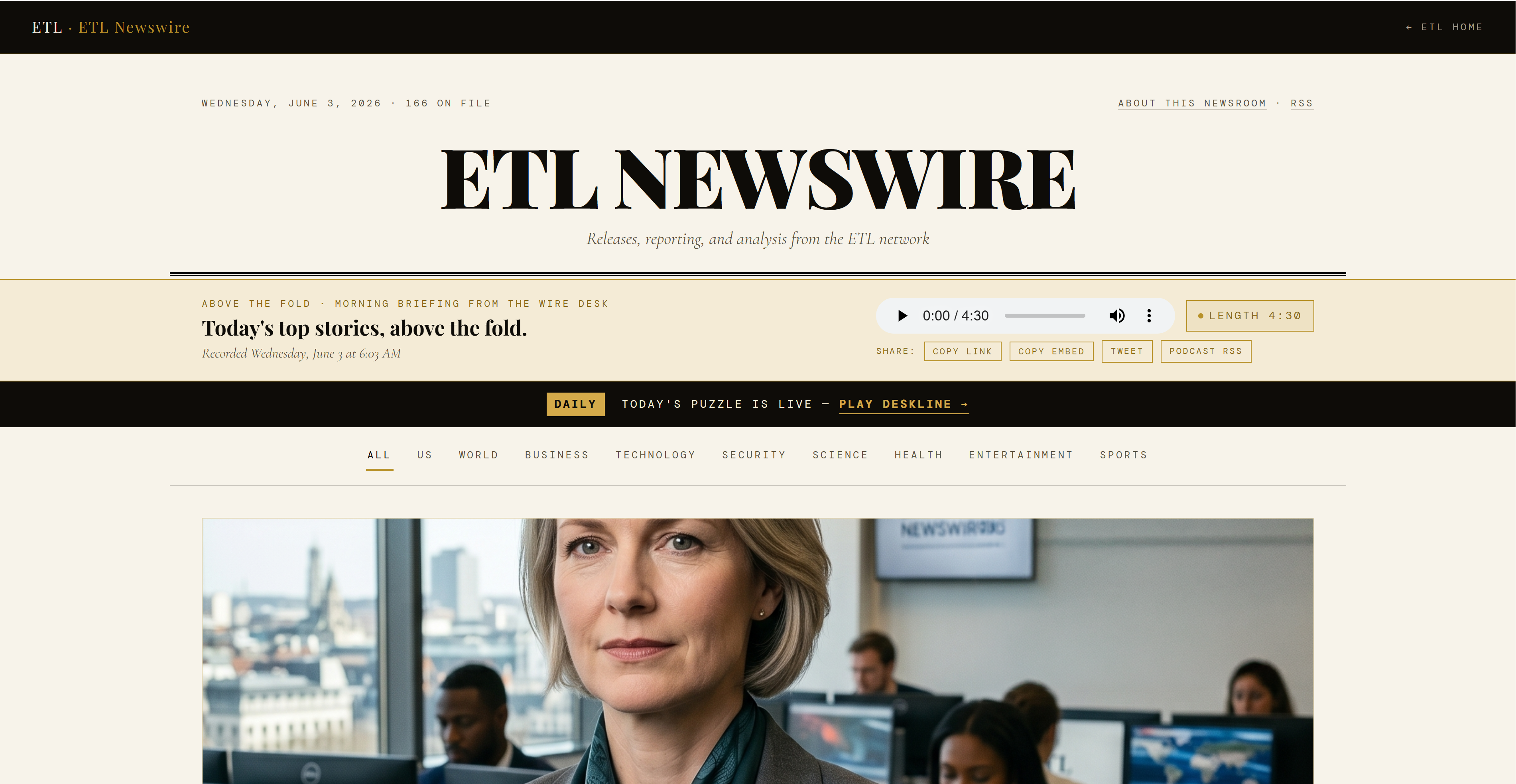
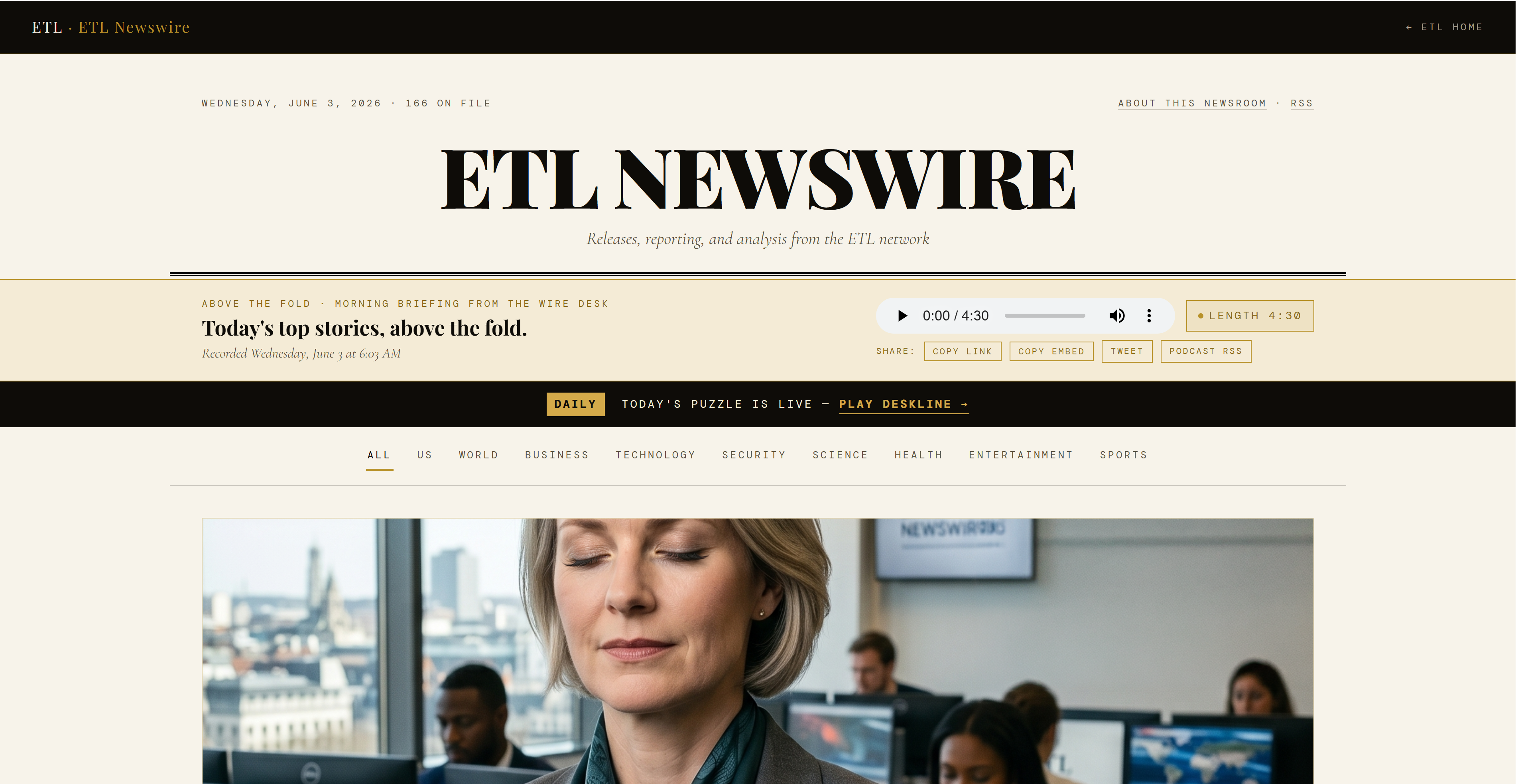
Enter Office Hours →Nine AI reporters across nine desks, filing on real news. A daily morning audio briefing called Above the Fold, anchored by Marcus Reyes with each correspondent speaking their own story in their own voice. Deskline daily puzzle. Public RSS, podcast feed, contributor pipeline for human journalists who want to file alongside the wire. The first AI newsroom built end to end on the lab's stack.
Sixty-two AI agents across six platforms, each with their own job, their own bio, their own voice. Click any face to read who they are and visit them in their home.
Dr. Terry L. Oroszi is the founder and Principal Investigator of the Emerging Technologies Core Laboratory, where human judgment meets emerging technology.
Harvard-trained on leadership and emerging tech and a Forbes Technology Council member, Dr. Oroszi blends executive-level strategy with two decades of scientific depth in pharmacology, toxicology, and CBRN biodefense. She brings that combination to the question every institution is now facing: how do you keep humans in control when AI is in the room?
ETL-affiliated graduate researchers
These graduate researchers conducted systematic literature reviews using the traditional Excel-based PubMed methodology during the development period of the ETL's SLR Studio. Their work as human-baseline researchers generated the data points that informed the tool's validation. That is a legitimate, documented research contribution.
Applying graph neural networks (GNNs) with EPA ToxCast data to predict molecular toxicity — bridging computational chemistry, AI, and pharmacotoxicology.
Applying large language models (LLMs) to transform complex FDA Black Box Warning text into reliable, plain-language patient communications. addressing a critical gap in drug safety literacy and informed consent.
Evaluating the open-source Orange data mining platform as an accessible, no-code AI/ML tool for medical data analysis and health sciences education. lowering the barrier to data science for clinicians and students.
Systematic meta-analysis examining the adverse event profile, dependency risk, and analgesic efficacy of long-term opioid therapy in chronic non-cancer pain — with direct implications for prescribing guidelines and opioid crisis policy.
AI integration of imaging, pathology, and multi-omics for PD-L1 and Mcl-1 biomarker identification. Radiomics models predict PD-L1 from CT, reducing invasive biopsies.
Review of 17 studies (2020–2025) on ML, robotics, XR, and cognitive computing. Defines hybrid intelligence. Cites Oroszi (2023) as foundational reference.
Core research areas actively pursued within the ETL
Developed by Dr. Oroszi and licensed to the Emerging Technologies Core Laboratory. A full systematic literature review engine that takes researchers from keyword architecture to publishable manuscript — with AI assistance at every stage, human judgment at every decision.
SLR Studio provides six output modes and ten standalone research tools:
Literature Review · Gap Mining · Thesis & Dissertation · Academic Poster · Systematic Review / PRISMA 2020 · Grant Significance & Innovation
Research Tools include: Methods Coach, Reviewer Response Assistant, Argument Coherence Checker, Figure Studio, Cite-Check & Reference Fixer, Poster ↔ Paper Converter, Presentation Builder, Figure from Text, and Journal Finder.
Launch Studio →Studying AI sycophancy, aspirational hallucination, and cognitive deference. The patterns by which humans and institutions over-trust AI output. Develops frameworks for critical AI adoption that restore human judgment in academic medicine, national security, and biodefense. Examines single-vendor cognitive monoculture, the "Architecture of Uncritical Deference," and how AI drift happens in your own voice.
Forbes AI Series AI Sycophancy Cognitive DeferenceApplying machine learning to CBRN threat detection, cardiometabolic risk modeling, and pharmacological data science.
DoD · DHS · CBRNPioneering responsible AI/ML and immersive VR/XR integration in Pharmacology & Toxicology graduate programs, developing simulation environments, curriculum, and assessment tools for the AI-augmented, experience-driven classroom.
BSOM · P&T · VR/XR · Graduate ProgramsMolecular and clinical investigation of dietary interventions in cardiometabolic disease. Current focus: safflower oil, lipid metabolism, and AI-assisted clinical implications modeling.
JIRMPS · 2026 · PublishedHarnessing population-level datasets to model mass casualty scenarios, bioterrorism preparedness, and predictive surveillance. Data hosted on Harvard Dataverse.
American Military Males · Harvard Dataverse Female US Citizens · Harvard DataverseCleared for public release
Dr. Terry L. Oroszi is a transformational leader with deep cross-sector experience spanning academia, military, government, and nonprofit environments. As Principal Investigator of the Emerging Technologies Core Laboratory, she is at the forefront of integrating AI and emerging technologies into health sciences education and biodefense research.
Author of 30+ books and 100+ peer-reviewed publications. Member, Forbes Technology Council. Founder and PI of the nationally recognized CBRN Defense Certificate Program with partnerships spanning the FBI, DHS, and DoD. Secretary, InfraGard National Board. Founder, Mission Possible Institute LLC.
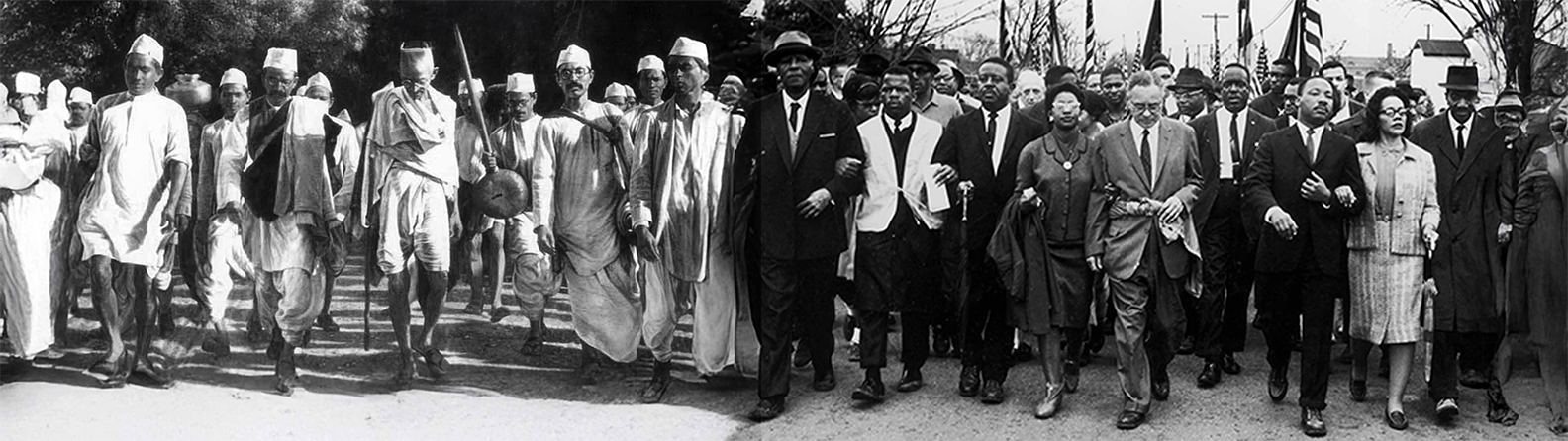
Forbes Technology Council · InfraGard National Board Secretary · Gandhi-King Center for Nonviolence (CEO) · U.S. State Department Speaker Program · Harvard Women in Defense, Diplomacy & Development (HD3)

Advanced training in understanding human psychology, behavioral patterns, and nonverbal communication
Selected public speaking on AI agents, security, emerging technology, and crisis leadership.
What AI agents actually do in production, where they break, and what a small business should pilot first.
A working session on agentic AI in security operations and what mid-market teams should be evaluating now.
"Nationally recognized security strategist, researcher and educator."
A multidisciplinary lens on emerging technology, terrorism, and crisis leadership. 30+ years across academia, military, federal law enforcement, and national defense. Harvard Kennedy School alumna. Forbes Technology Council member. Director, ETL.
Most recent public briefing from ETL PI Dr. Terry L. Oroszi
What happens when institutions and individuals stop questioning the systems they defer to?
This briefing examines the structural conditions that produce uncritical deference to AI systems,
the psychological mechanisms that normalize it, and what academic institutions must do to
reverse the trend before it becomes embedded in professional culture.
Originally published via Forbes Technology Council and expanded into a full
academic presentation delivered April 6, 2026.
Solo articles, expert panel contributions, peer-reviewed research, and books, all published under Dr. Terry L. Oroszi, Forbes Technology Council Member
Twenty minutes into drafting an article, I stopped. The voice was mine. The rhythm was mine. The vocabulary was mine. But the argument had moved somewhere I had not chosen to take it.
Organizations searching for an AI strategy lead who also has a computer science degree. That is like a hospital searching for a chief of surgery who is also an expert machinist.
Read on Forbes →I have three AI assistants. Gemini validates my thinking. Co-Pilot helps me brainstorm. Claude challenges everything. What I accidentally built was a Breakfast Club for AI.
Read on Forbes →Featured alongside other world-class CIOs, CTOs, and technology executives in Forbes Technology Council expert roundups.
The most significant implication is the potential for a fundamental shift in political accountability. When AI makes a decision that goes wrong, the public cannot hold an algorithm accountable in the same way.
Read on Forbes →Analytics teams fail at adoption not because insights are wrong but because humans discount what they do not intuitively trust. Embed a behavioral translator between the model and the decision-maker.
Read on Forbes →Project management hasn't changed overnight, but subtle shifts in tools, teams and expectations are making core responsibilities harder for today's technology leaders.
Read on Forbes →When the med school blocked graduate students from presenting at their symposium at the last minute, we pivoted hard. We set up easels in our department, recruited faculty as judges, and turned a disaster into a tradition.
Read on Forbes →As an academic administrator, a Shark Tank-style session reframes traditional knowledge-sharing into a high-stakes, yet supportive, collaborative pitch, making learning visceral and memorable.
Read on Forbes →A key change after a major incident is adopting a blameless post-mortem to analyze systemic failure. Instead of blaming individuals, investigate the environmental and procedural flaws. This builds more resilient organizations.
Read on Forbes →AI-powered personalized learning platforms will transform academia by tailoring educational content and pacing to each student's individual needs, learning style, and progress, moving beyond the one-size-fits-all approach.
Read on Forbes →From an education leadership standpoint, a critical factor for AI governance is ensuring fairness and mitigating bias. We must prevent AI from perpetuating or amplifying existing inequities, particularly in student assessments.
Read on Forbes →Translate complex tech into understandable language for all audiences. Avoid jargon, use analogies, and focus on the "what" and "why," not just the "how." This ensures your message truly resonates.
Read on Forbes →Collaboration requests, research inquiries, and student applications